Sage Jenkins · 2 September 2026
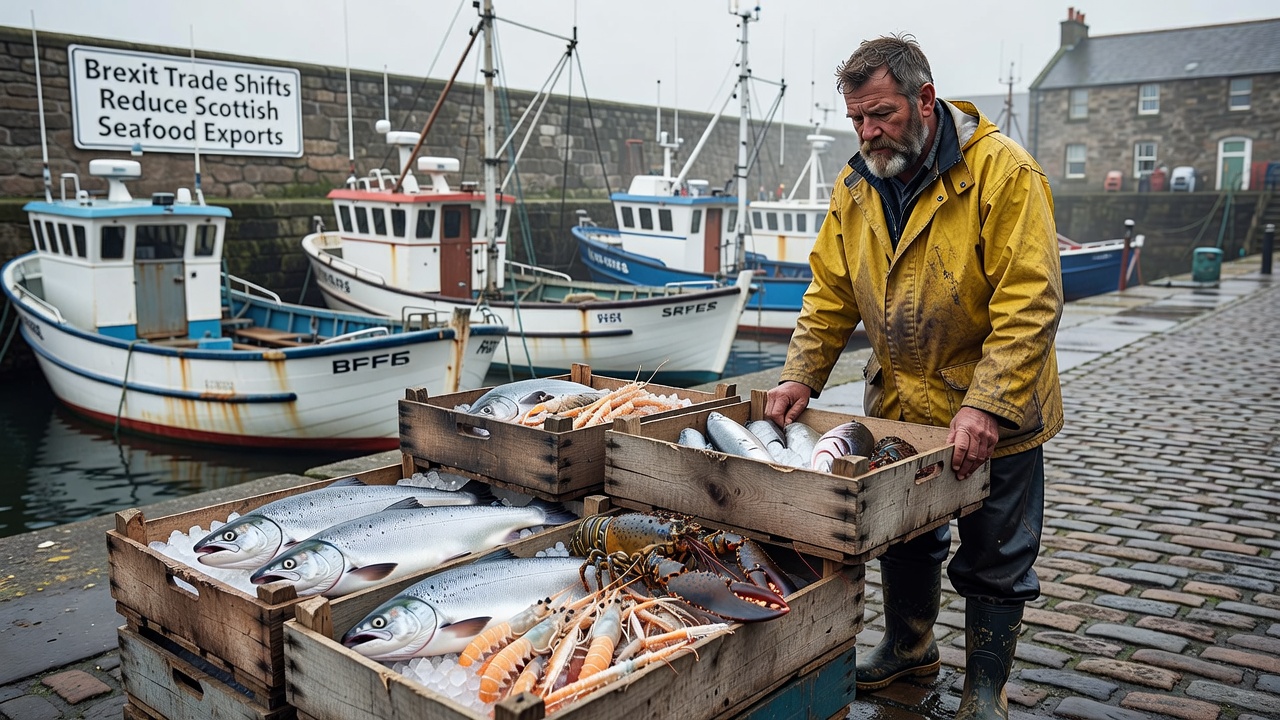
Scottish seafood exporters have faced sustained challenges since the United Kingdom left the European Union single market. New customs procedures and sanitary checks have lengthened delivery times to continental buyers, eroding the competitive edge previously enjoyed by fresh produce from Scotland. Industry data indicate that export volumes of key species such as langoustine, haddock and salmon fell by more than 30 percent in the first two years after the transition period ended.
Customs Delays and Market Access
Border friction remains the dominant factor. Exporters must now complete additional paperwork for each consignment, including health certificates that require veterinary sign-off. These requirements have increased costs by an average of 12 percent per shipment. Smaller operators report that some French and Spanish buyers have switched to suppliers in Norway and Iceland, where trade arrangements have not changed. Air freight volumes through Scottish airports have also declined as just-in-time logistics become harder to maintain. Government support schemes have offset some losses, yet many firms state that the administrative burden continues to deter new contracts.
Retail price data from major European markets show Scottish products now carry a consistent premium compared with pre-Brexit levels. This price gap has prompted several supermarket chains to reduce shelf space allocated to Scottish lines. Processors in the Highlands and Islands have responded by exploring frozen-at-sea options that allow longer shipping windows, although this approach reduces the premium commanded by fresh catch.
Industry Adaptation and Outlook
Trade associations have urged the UK government to negotiate simplified certification with the EU. Pilot schemes for digital health documents are under discussion, yet progress has been slow. Meanwhile, some companies have redirected volumes toward domestic consumption and non-EU markets such as the United States and South Korea. These shifts have helped stabilise overall revenue for larger groups, but smaller coastal businesses continue to report reduced vessel utilisation and crew layoffs. Economists project that full recovery of pre-2021 export levels will require at least five more years of regulatory alignment and infrastructure investment. Until then, Scottish seafood remains exposed to ongoing trade frictions that originated with the departure from the EU.